Major League Soccer began play with 10 teams in 1996: Columbus Crew, D.C. United, New England Revolution, NY/NJ MetroStars, Tampa Bay Mutiny, Colorado Rapids, Dallas Burn, Kansas City Wiz, LA Galaxy and San Jose Clash. Nine of those club lineages are represented in MLS today. Tampa Bay is the only original that no longer competes.
Five original names still look familiar; four others evolved through rebrands; and San Jose's story includes a two-season hiatus before the Earthquakes returned. That mixture is why a simple list can be misleading. The table below gives the 1996 identity and the present-day answer first, then the following sections explain what changed.
The original 10 MLS teams at a glance
| 1996 club | 1996 conference | Current identity/status | Key change |
|---|---|---|---|
| Columbus Crew | Eastern | Columbus Crew | Same core name; crest and branding evolved |
| D.C. United | Eastern | D.C. United | Same identity |
| New England Revolution | Eastern | New England Revolution | Same name, updated crest |
| NY/NJ MetroStars | Eastern | New York Red Bulls | Became MetroStars, then Red Bulls |
| Tampa Bay Mutiny | Eastern | Defunct | Ceased operations after 2001 |
| Colorado Rapids | Western | Colorado Rapids | Same name, multiple visual identities |
| Dallas Burn | Western | FC Dallas | Rebranded in 2004 for the 2005 season |
| Kansas City Wiz | Western | Sporting Kansas City | Wiz→Wizards→Sporting Kansas City |
| LA Galaxy | Western | LA Galaxy | Same core identity |
| San Jose Clash | Western | San Jose Earthquakes | Renamed, then hiatus in 2006–07, returned in 2008 |
The league's first match took place on April 6, 1996, when the San Jose Clash hosted D.C. United. San Jose's Eric Wynalda scored the late winner, making that game and goal natural starting points for MLS history. The inaugural regular season then divided the clubs evenly between Eastern and Western conferences.
Chicago Fire and Miami Fusion are sometimes mistakenly added to “the original teams” because both feel like early MLS names. They joined in 1998, two seasons after launch, as the league's first expansion pair. Likewise, current powers such as Seattle Sounders, Toronto FC, Portland Timbers and Atlanta United arrived much later even when their cities or names carried earlier soccer history.
The word original in this guide therefore means a club that played in the inaugural 1996 MLS season. It does not mean the oldest soccer organization in its market, and it does not rank the clubs by success. For trophies and finals, see our separate guide to the most successful MLS teams.
Where the five Eastern originals are now
Columbus Crew: the first announced club
Columbus still carries the Crew name and represents one of the clearest lines from 1996 to the present. The visual identity has changed more than once, and the team eventually moved from the enormous multipurpose venues typical of launch-era MLS into soccer-specific homes. Yet a fan from the inaugural season would immediately recognize the city and club.
The Crew also demonstrate why “original” is not merely a nostalgia label. The club survived ownership uncertainty and a proposed move, then continued in Columbus under a new local ownership structure. Its history now connects the improvised launch era, the first wave of soccer-specific stadiums and today's larger league.
D.C. United: the inaugural dynasty
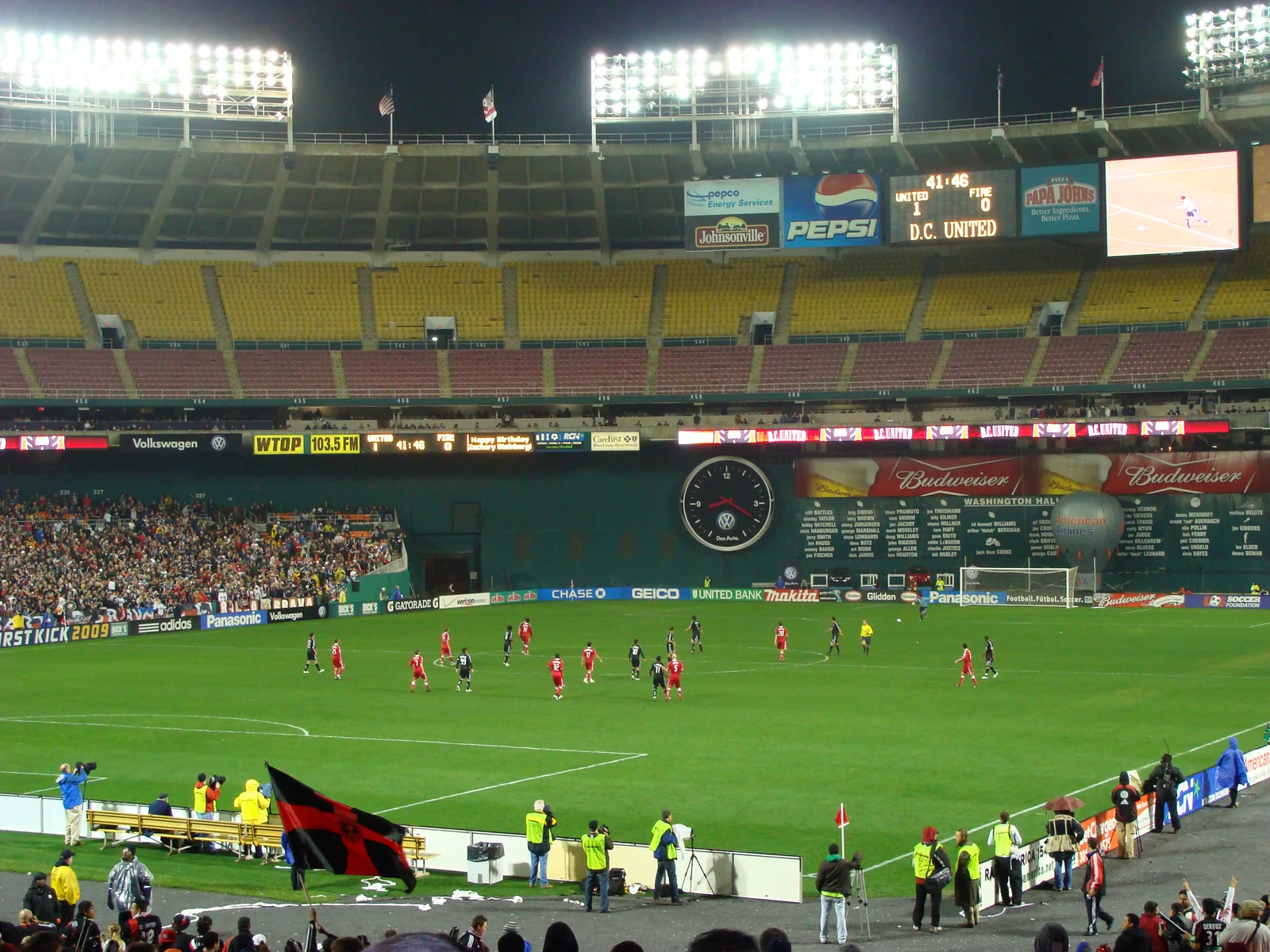
D.C. United won the first MLS Cup and became the early standard, taking three of the first four league championships. The name, colors and badge concept established in the 1990s still define the club, even though the home venue changed from RFK Stadium to Audi Field.
That venue transition is a miniature history of MLS. RFK was cavernous and built for multiple sports, but supporters made it one of the league's most recognizable atmospheres. Audi Field reflects the later expectation that a club should control a purpose-built soccer home.
New England Revolution: the name that never left
New England kept its original name and regional identity. Its crest was modernized, but “Revolution” still points to the same New England history that inspired the launch brand. The club has also remained tied to a large American-football venue rather than following every peer into a smaller soccer-specific stadium.
On-field history brought repeated trips to MLS Cup without an early championship breakthrough. That record is separate from the founding status: a club does not become more original by winning, and it does not lose its lineage through a run of near misses.
NY/NJ MetroStars: now the New York Red Bulls
The MetroStars provide the most obvious Eastern rebrand. The launch name included “NY/NJ,” reflecting a regional market and New Jersey home. It was shortened to MetroStars before the 2006 change to New York Red Bulls after Red Bull acquired the club.
This is the same MLS lineage, not New York City FC. NYCFC entered the league as a separate expansion club in 2015. A quick historical test is therefore simple: if a record begins with the MetroStars in 1996, it belongs to the Red Bulls' club history.
Tampa Bay Mutiny: the original that disappeared
Tampa Bay is the exception to the “where are they now?” question. The Mutiny played from 1996 through 2001 and then ceased operations as MLS contracted before the 2002 season. There is no current MLS club that simply continues the Mutiny's records under a new badge.
The modern Tampa Bay Rowdies have their own important identity and history outside MLS, but they are not a Mutiny rebrand. Treating the two as the same club would erase both stories. For an original-ten count, Tampa Bay remains one of the ten launch teams and the only one without a current MLS continuation.
Where the five Western originals are now
Colorado Rapids: the steady regional identity
Colorado retained the Rapids name while changing colors, crests and home grounds. The club began in an era when MLS branding favored bold, stylized identities, then adopted a more traditional look as the league matured. Through those visual changes, the Colorado market and Rapids lineage remained continuous.
The Rapids' 2010 MLS Cup gave the original club its championship landmark. Their broader founding-era importance is quieter: Colorado shows how continuity can survive without keeping every launch detail frozen in place.
Dallas Burn: now FC Dallas
Dallas Burn became FC Dallas for the 2005 season. The new name aligned with the club's move toward a soccer-specific home in Frisco and a more conventional global soccer identity. Records from the Burn years still belong to FC Dallas.
Longtime supporters connect the phases rather than treating them as separate clubs. MLS's feature on original fans traces season-ticket holders from the Burn era through the rebrand and stadium move, a useful reminder that identity is carried by people as well as trademarks.
Kansas City Wiz: now Sporting Kansas City
Kansas City's name changed twice. The launch-era Wiz quickly became the Wizards, and the club adopted Sporting Kansas City in 2010. Each step reflected a different phase of MLS branding: experimental American sports names, a slightly fuller version of the same idea, then a club-style identity designed to support a broader organization.
The current Sporting name can make the 1996 “Wiz” look like a different franchise in an old standings table. It is not. Results across Wiz, Wizards and Sporting Kansas City form one continuous club record.
LA Galaxy: the launch brand that became global
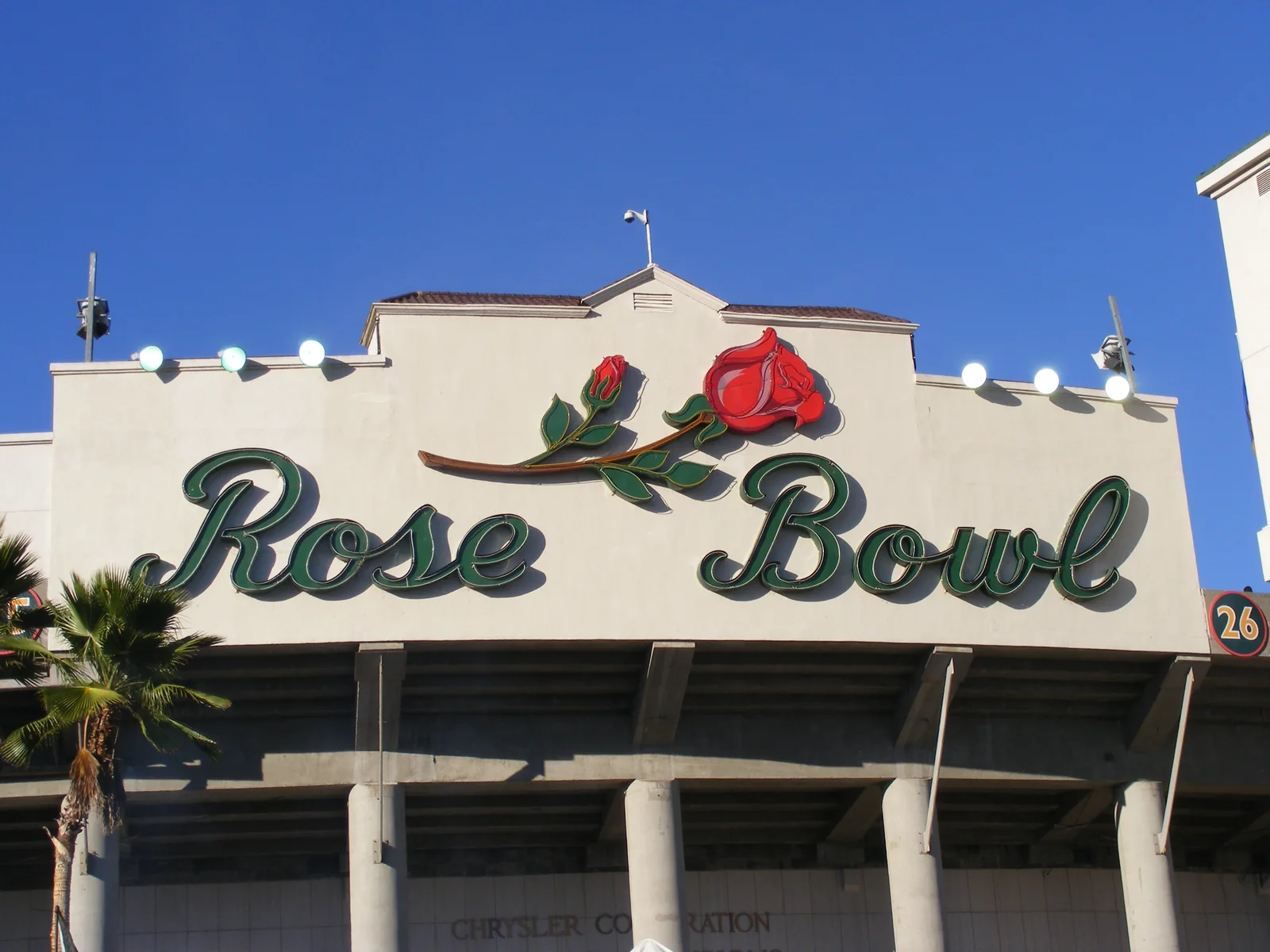
The Galaxy kept the name and Los Angeles identity from day one. The crest and uniforms evolved, and home matches moved from the Rose Bowl to a soccer-specific stadium, but the brand's core survived. That continuity makes LA the easiest original Western club for a new fan to identify.
It also became the original-ten club most associated with high-profile signings and MLS Cup success. Those achievements came over decades; they are not what makes the Galaxy an original. Its place on the list comes from taking part in 1996, including the inaugural season and first MLS Cup final.
San Jose Clash: now the Earthquakes, with a hiatus
San Jose began as the Clash, hosted the first league match and adopted the Earthquakes name in 1999 for the 2000 season. After 2005, the club went on hiatus for two seasons while players and staff moved to Houston. The Earthquakes returned to MLS in 2008.
The cleanest historical wording is that the Earthquakes retain San Jose's original MLS history, while Houston Dynamo are a separate club with their own record. Saying merely “San Jose moved to Houston” misses the league's treatment of the identity and the 2008 return. Saying nothing happened misses the real interruption. “Original club lineage with a 2006–07 hiatus” preserves both facts.
Why so many original MLS names changed
The 1996 brands were created under unusual pressure. MLS needed ten complete identities at once, aimed at American sports audiences while introducing a new top-flight league. Names such as Clash, Burn, Wiz and Mutiny favored energy, motion and attitude. Bright uniforms and unconventional graphics made the launch teams visually distinct even when the clubs had little history to draw upon.
As teams accumulated supporters and built permanent homes, several preferred identities that felt less tied to a single 1990s marketing moment. Dallas chose the familiar “FC” construction. Kansas City eventually chose “Sporting” as part of a broader club concept. San Jose revived the Earthquakes name associated with the city's earlier professional soccer history.
Four changes that should not be confused
- A name change can preserve the same records and club lineage, as Dallas Burn becoming FC Dallas did.
- A new crest may refresh the visual identity without changing the name, as several originals have shown.
- A new owner can lead to a rebrand, but ownership and historical continuity are not the same question.
- A relocation or hiatus affects the market and competition history more deeply and needs case-specific language.
The MetroStars-to-Red Bulls change bundled a new owner and a new identity but did not create a second set of league records. San Jose is harder because the hiatus and Houston launch sit between two Earthquakes periods. That is why old standings should be mapped according to official club lineage rather than by matching words in a name.
Not every original needed a replacement. Galaxy, Revolution, Rapids and D.C. United proved flexible enough to survive changing visual trends. Columbus kept “Crew” even while crest debates showed how strongly supporters had attached meaning to it. A launch name that may once have been a marketing invention can become heritage after decades of shared matches.
The practical lesson for reading MLS history is simple: a new badge does not erase old results. When a 1996 table says Dallas Burn or Kansas City Wiz, translate the name to FC Dallas or Sporting Kansas City before comparing eras. When the table says Tampa Bay Mutiny, stop the line after 2001 rather than forcing it into a modern club.
Are all of the original MLS teams still active?
No. The best compact answer is that nine of the ten original club lineages are represented in MLS today, but only eight have competed continuously since 1996. Tampa Bay Mutiny ceased operations after the 2001 season. San Jose's original lineage is active as the Earthquakes, but the club did not play in 2006 or 2007.
| Counting question | Answer | Explanation |
|---|---|---|
| Original 1996 teams | 10 | The inaugural field |
| Original lineages represented today | 9 | All except Tampa Bay |
| Original clubs with uninterrupted play | 8 | Excludes Tampa Bay and San Jose's hiatus |
| Current MLS clubs in 2026 | 30 | League total, not an original-club count |
Why San Jose does not make the answer “eight”
Club identity and uninterrupted participation are different tests. MLS restored the Earthquakes name and San Jose history when the team returned in 2008. Therefore San Jose belongs among the current representatives of the original ten. The missing seasons still matter, so “all nine have played continuously” would be wrong.
Why Houston does not make the answer “ten”
Players and staff moved from San Jose to Houston after 2005, but Dynamo history is counted separately. Houston's championships belong to Houston. San Jose's earlier Clash and Earthquakes results remain in the Earthquakes lineage. Counting both current clubs as two surviving 1996 originals would double-count one inaugural place.
Why another Tampa club does not restore the Mutiny
A market can regain professional soccer without reviving an MLS franchise record. The Rowdies name carries history from a different lineage, and any future Tampa Bay MLS team would require the league to define its identity. Unless MLS explicitly restored the Mutiny's records, geographic overlap alone would not create continuity.
This careful count is more than trivia. It prevents errors when comparing all-time appearances, points, trophies or attendance. A historical table needs consistent club identities before any totals can be trusted.
How the original teams shaped today's MLS
MLS's growth from 10 clubs in 1996 to 30 in 2026 can make the launch league look like a different competition. The original teams matter because they supplied the first test of almost every problem the modern league now handles more comfortably: building local support, choosing venues, developing recognizable players and translating league-wide rules into distinct club cultures.
They turned temporary branding into local history
Some launch identities endured exactly because supporters gave them meaning. “Crew,” “Galaxy” and “Revolution” no longer feel like names produced for an untested league; they evoke particular matches, players, stadiums and family routines. Other markets preserved the community while changing the badge. Both paths show that club history is created through continuity of people and place, not only graphic design.
They lived through the stadium transition
The originals began mainly in large football or multipurpose venues. Over time, clubs such as Columbus, Dallas, LA, Kansas City, San Jose and D.C. moved into soccer-specific grounds. Those moves did not guarantee success, but they changed how matchday could look and feel. A dedicated venue could offer more control over scheduling, sightlines, supporter sections and the club's visual presence.
They make modern records understandable
Every all-time MLS table needs the original teams. Their long participation gives Galaxy, D.C., Columbus and others decades in which to accumulate points and trophies. It also explains why raw totals favor older clubs over excellent expansion teams. A fair comparison should separate longevity, rate statistics and championships rather than treating them as interchangeable.
For the current geography, use our map of all 30 MLS teams. For this season's competitive picture, the MLS standings show the modern Eastern and Western Conferences. Those pages begin where this history ends: they show what a league built from ten inaugural teams looks like three decades later.
The clearest answer to the original question remains compact. Ten clubs launched MLS. Nine lineages are present today. Eight played without interruption. The names changed because the league and its communities changed, but the records behind Columbus, D.C., New England, the Red Bulls, Colorado, Dallas, Kansas City, LA and San Jose all reach back to 1996. Tampa Bay Mutiny completes the original list and marks the one branch that ended.
Comments
Comments are reviewed before publication.
Spam, abusive content, personal information and policy-violating links are not published.
Sign in with Google to comment or reply.
Loading comments…