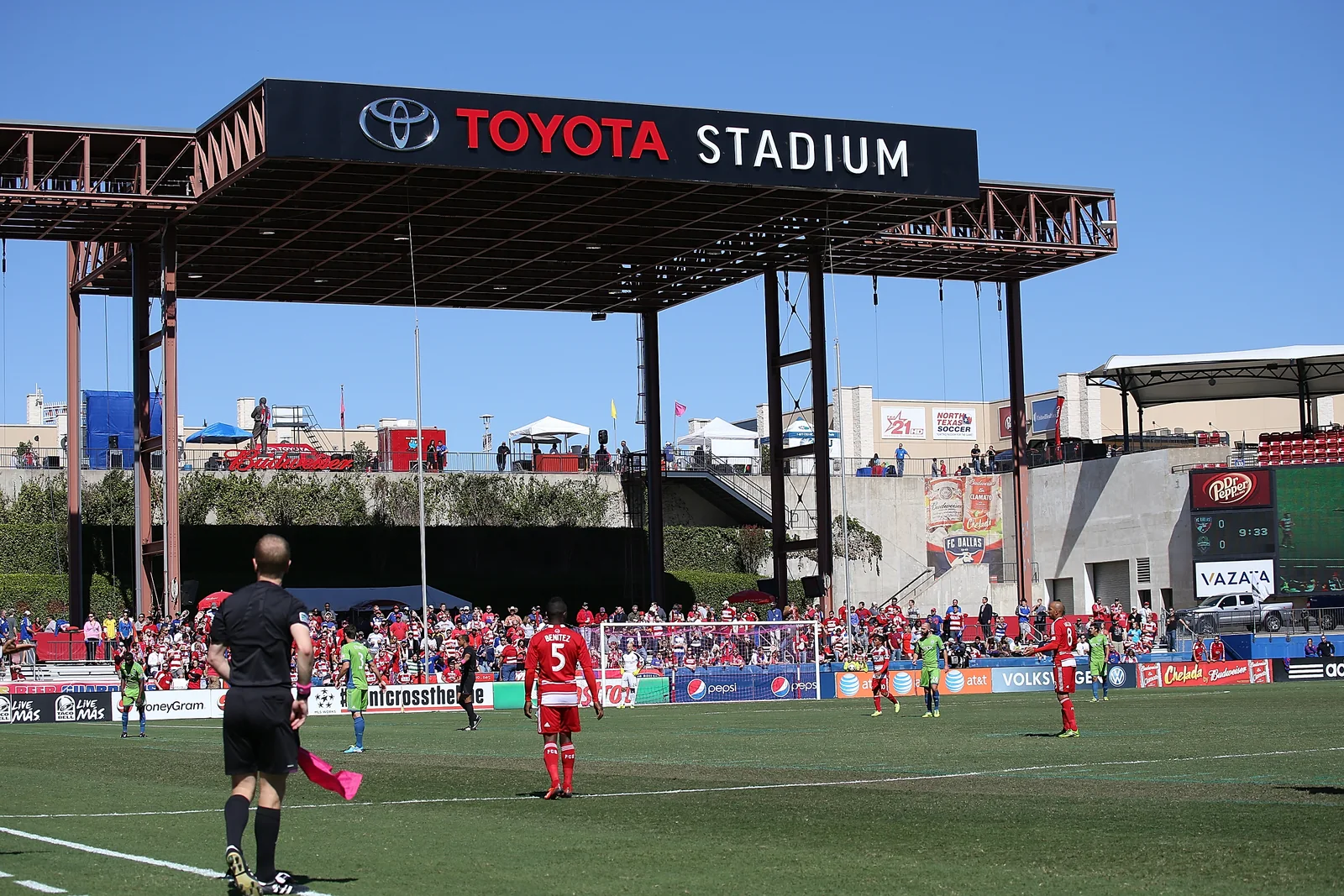
Buying MLS tickets in 2026 is less about finding one universal marketplace and more about following a reliable path from the league or club to the correct event. Prices, inventory, delivery rules, and resale options can change from match to match. This guide explains how to compare the real total cost, recognize verified inventory, choose a useful seat, and prepare a mobile ticket for the gate without pretending that a live listing is a permanent price.
The safest way to buy MLS tickets in 2026
Start with the official MLS ticket hub or the ticket page on the club's official website. The MLS hub lists every club and provides separate paths for single-game and season tickets. That makes it a practical routing page: you do not have to guess which sales platform a particular team is using or trust an advertisement that merely includes a club logo.
Ticketmaster describes itself as the Official Ticket Marketplace of MLS and operates a team-by-team 2026 MLS page. That is useful context, but the buyer's job is still to confirm the event details. Follow this sequence before entering payment information:
- Select the club through MLS or the club's own site.
- Confirm the home team, opponent, competition, venue, date, and local kickoff time.
- Check that the quantity selector keeps your seats together if adjacency matters.
- Read whether the listing is standard inventory, a package, hospitality, or verified resale.
- Review the displayed total and delivery method before paying.
This route also protects against a common source of confusion in 2026: a search result may lead to a similarly named event, an away match, or a non-MLS competition involving the same club. A familiar badge does not prove that the ticket is for the match you meant to attend. Check the competition and venue as carefully as the team names.
If the official club allocation appears sold out, use a resale marketplace that clearly explains its ticket guarantee, delivery process, and refund policy. Avoid treating a social-media message, a screenshot, or a request for off-platform payment as equivalent to a verified marketplace order. The safe purchase is the one that leaves an account record, a confirmation, and a defined route for customer support.
How much do MLS tickets cost in 2026?
There is no single 2026 MLS ticket price. As a directional reference, Ticketmaster's 2026 buyer guide, accessed on August 13, says tickets typically average about $45 to $50. GOAL gives a broader average context of roughly $25 to $50. Those are publisher-reported summaries, not guaranteed face values and not quotes for any particular seat. A current checkout total can be below or far above those figures.
The useful question is not “What is the MLS price?” but “What is the all-in price for this exact seat at this exact match?” Several variables can move that answer:
| Price factor | Why it matters | What to compare |
|---|---|---|
| Opponent and occasion | Rivalries, star-driven demand, and high-stakes matches can attract more buyers. | Another opponent or date in the same seating area. |
| Seat location | Midfield, club, premium, covered, and front-row areas usually have different values from endline or upper areas. | View, cover, amenities, and section rules—not section number alone. |
| Inventory type | Standard club inventory and fan resale inventory can be priced differently. | The listing label and final total for the same quantity. |
| Timing and demand | Availability can expand, shrink, rise, or fall as matchday approaches. | Current options, not an old screenshot or cached search snippet. |
Build a matchday budget around the price visible when you are ready to buy. Add transport or parking, food, and any optional upgrades you genuinely plan to use. For a family or group, compare the full order total rather than multiplying a promotional “from” price; the cheapest single seat may not be available in the quantity you need.
Prices quoted in this guide are a snapshot of published 2026 context as of August 13, 2026. They are not live inventory and should not be used to predict the cost of a future playoff, rivalry, or star appearance.
Primary tickets versus resale tickets
A primary ticket is sold from inventory controlled by the club, venue, or its authorized ticketing partner. It is usually the cleanest baseline because you can see the club's standard sections, offers, and delivery terms in one place. “Primary” does not automatically mean cheapest, however, and it does not mean every section will still be available.
A resale ticket has already been acquired and is being offered again by its holder or a professional seller. Resale can unlock a sold-out section, a better location, or a lower current total. It can also carry a premium when demand is high. The word “resale” describes the inventory source, not whether the offer is good value.
Protection depends on the marketplace. Ticketmaster's MLS materials say fan-to-fan resale tickets bought through its marketplace are reissued with a new, unique barcode and delivered to the buyer's account. Its exchange also states a validity guarantee for purchases made there. Do not transfer that promise to an unrelated site: read the guarantee, refund conditions, delivery deadline, and customer-support route on the platform actually taking your payment.
A practical comparison
- Check primary inventory first: it establishes what the club is currently offering.
- Open verified resale when needed: compare the same section, row, quantity, and total.
- Read the listing label: “verified resale” is different from a stranger promising to send a screenshot.
- Check timing: know when the ticket should appear in your account and what happens if it does not.
- Confirm restrictions: some tickets, rows, or events may not be eligible for resale or transfer.
Avoid paying by wire, gift card, cryptocurrency, or a person-to-person method that removes purchase protection. A seller creating urgency is not evidence that a ticket exists. Keep the listing, receipt, order number, and support correspondence until you are inside the venue.
How to find cheaper MLS tickets without chasing myths
Cheap MLS tickets are found by comparing flexible choices, not by trusting a magic purchase day. Start with the matches you could realistically attend, then change one variable at a time. The site's MLS weekend schedule can help you see nearby dates before you open ticket listings.
- Compare opponents. A regular match may have more attainable inventory than a rivalry or a game attracting exceptional star-driven demand.
- Compare sections by view. An endline or upper section can be excellent value if atmosphere matters more than a midfield angle. Check the stadium map instead of assuming every lower row is better.
- Check official group offers. Clubs may publish group programs or partial plans, although minimum quantities and included benefits vary. Use the club's current terms.
- Search the quantity you need. Two adjacent seats can have a different per-seat total from one isolated seat. Do not build a group budget from a single-seat “from” price.
- Compare all-in totals. A lower list price can lose after mandatory charges, while a “no-fee” offer can still have a higher total.
- Set a walk-away number. Include the ticket, taxes shown before payment, transport, and the optional spending that matters to you.
- Recheck rather than panic-buy. Inventory can change, but urgency banners do not replace a budget.
Last-minute MLS tickets are a tradeoff. Resellers may reduce prices when they still hold unwanted inventory, but popular sections can disappear or become more expensive. Weather, team form, opponent, day of week, and remaining supply can all push the market differently. Waiting is reasonable only if you are willing to accept a worse seat—or no seat.
Price alerts and saved searches can reduce manual checking when a marketplace offers them. Keep the alert tied to an exact event, and inspect the current total when it fires. An alert is evidence that a listing changed, not proof that it is the lowest possible option across every seller.
Fees, all-in pricing, and “no-fee” claims
For U.S. live-event tickets, the Federal Trade Commission's Rule on Unfair or Deceptive Fees has applied since May 12, 2025. When a seller advertises a price, the prominently displayed total must include mandatory fees that the business knows and can calculate upfront. The rule covers ticket sellers and resale marketplaces.
That requirement improves comparison, but it does not make every first number the final charge in every circumstance. Government taxes or charges, shipping, and optional add-ons can be excluded from the initial total under the rule, provided they are disclosed as required before payment. The rule also does not prohibit fees or dynamic pricing. It governs how prices are presented, not how low they must be.
Use a consistent comparison:
- Select the same number of seats on each platform.
- Confirm whether the seats are actually comparable in section, row, and adjacency.
- Note any taxes, delivery charges, or optional protection products before payment.
- Compare the final payable amount, not a crossed-out price or a percentage claim.
- Capture the confirmation and terms that applied to your order.
“MLS tickets with no fees” is therefore an incomplete shopping standard. A seller can label an offer no-fee while setting a higher base total than another marketplace. Conversely, a platform that itemizes a charge may still have the lower overall cost. The meaningful number is the total for the ticket you want, in the quantity you need, at the moment you are ready to purchase.
For Canadian MLS matches, local taxes and consumer rules can differ. The same practical habit still helps: read the total and terms shown by the authorized seller for that event rather than assuming a U.S. rule answers every Canadian checkout question.
Choose the match and seat before you compare listings
A bargain is only useful if it is for the correct event. MLS clubs can appear in regular-season, cup, friendly, and other competition listings, sometimes at different venues. Verify the home team and stadium, then check the latest kickoff information in the club's schedule or the site's MLS games today page. Times should be read in the venue's local time unless the page clearly converts them for you.
Next decide what the seat must deliver. A midfield angle can make shape and passing lanes easier to follow. An end section may offer stronger supporter energy. A higher row can improve the full-field view, while a premium area may add cover, food, or lounge access. These are tradeoffs, not a universal ranking.
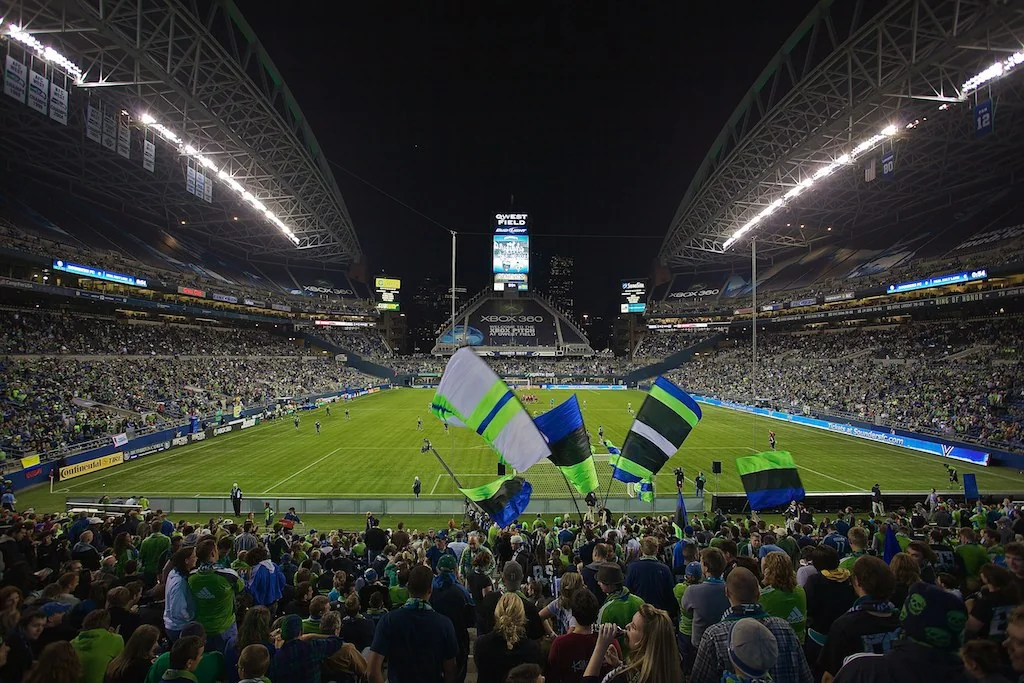
Read the section description when a listing is in a designated supporters area. Expectations may include standing or active participation, and club rules can address flags, colors, age access, or visiting supporters. Those policies vary by venue; check the current official matchday page instead of relying on a generic MLS rule.
Also confirm practical constraints:
- Are all seats adjacent, and is the row clearly stated?
- Does the venue map show a restricted or unusual sightline?
- Is accessible seating or companion seating required, and what purchase process applies?
- Is the section covered or exposed to sun and weather?
- Does a child require a ticket, and are there age-specific conditions?
- Can your group reach the venue comfortably at the listed local time?
Recheck the schedule shortly before travel because event details can change. If the ticket, club page, and third-party calendar disagree, use the club or competition's latest official event information and contact the seller before setting out.
Mobile delivery, transfer, resale, and stadium entry
Most buyers should expect an account-based mobile workflow, but the issuing seller's instructions control. Ticketmaster's MLS guide says tickets bought through its system can be accessed in the Ticketmaster account or app. Eligible tickets can also expose transfer or resale controls there. A button that is missing or inactive can mean the option is not yet enabled or that the ticket is not eligible; it is not a reason to arrange an unofficial workaround.
After purchase, confirm that the order appears in the same account associated with the email address you used. Read the delivery timing because an order confirmation and an active entry barcode are not always delivered at the same moment. If tickets are being transferred to friends, use the issuer's transfer function and ask each recipient to accept before traveling.
Prepare before leaving home
- Update the required ticket app and sign in while you have a reliable connection.
- Confirm the event, quantity, section, row, and barcode status.
- Add tickets to the phone wallet when the issuer offers that option.
- Charge the phone and share accepted tickets with the people who will use them.
- Check the club's latest gate, bag, and entry instructions.
Do not assume a screenshot will scan. Some mobile systems use barcodes that refresh or otherwise require the live ticket or wallet pass. Follow the issuer's instructions; a static image sent by a stranger is also much harder to connect to a protected marketplace order.
If the ticket is missing, duplicated, or not activating, contact the seller through the order record before kickoff. Bring identification and the order number if the venue directs customers to a box office or mobile-ticket help desk. Support staff can investigate a documented purchase more effectively than a payment with no marketplace record.
A final MLS ticket buying checklist
Before buying, make sure every answer below is visible in the listing or current official event information:
- Event: correct home team, opponent, competition, venue, date, and local kickoff time.
- Seats: correct quantity, adjacency, section, row, accessibility, and any supporters-section conditions.
- Inventory: standard, package, hospitality, or verified resale clearly identified.
- Price: current all-in total compared for the same quantity and a clear walk-away budget.
- Protection: written guarantee, refund/cancellation terms, delivery deadline, and a real customer-support channel.
- Delivery: the required account or app, transfer process, and expected barcode timing understood.
After buying, save the receipt and order number. Add the match to your calendar using the site's MLS calendar tool, but still recheck the club's official event page before travel. Calendar entries and printed plans are useful reminders, not promises that a kickoff will never move.
On matchday, sign in before leaving, confirm each ticket is accepted by the person using it, charge the phone, and read the current venue rules. Arrive with enough time to resolve an account or gate issue through official support.
The best MLS ticket is not automatically the cheapest listing. It is the correct event, in a section that suits your group, at a total you understand, delivered through a channel that can help if something goes wrong. Start from the league or club, compare like with like, and treat every dynamic price as temporary.
Comments
Comments are reviewed before publication.
Spam, abusive content, personal information and policy-violating links are not published.
Sign in with Google to comment or reply.
Loading comments…